











As nightclub numbers fall by 25% since the pandemic, restaurant operators are capitalising on demand for theatrical dining experiences from consumers going out less - but expecting more when they do
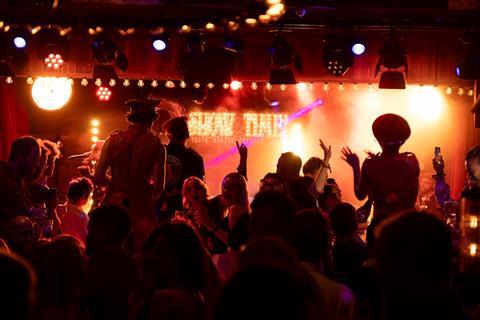
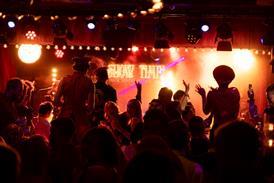
The UK may have lost hundreds of nightlife venues over the past five years, but the decline has coincided with a boom in experiential restaurants offering a ‘party dining’ experience.
As people moderate alcohol intake and cut back on discretionary spend, restaurant operators are navigating a new set of expectations. One in particular appears to span the entirety of the hospitality sector: people are going out less, but expecting more when they do.
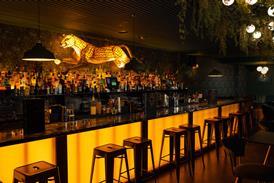
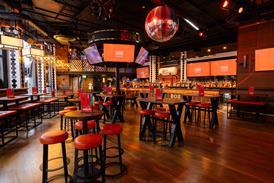
This has led to a new focus on party dining venues with a strong food and drink offer but also an experiential offering, often in the form of entertainment, theatrics, or both.
Research from OpenTable underscores this trend, finding that guests are becoming ever more interested in ‘more adventurous’ dining. Research from CGA shows the number of nightclubs, late-night bars and casinos across Britain has fallen by over 25% since before the pandemic. At the same time, food-led venues now account for 30% of what CGA describes as ‘high-tempo’ visits, with experience-led venues becoming increasingly popular alternatives to bars, pubs and clubs.
Just a few years ago, a select few operators owned this space. Foremost among them was the French-founded Italian group Big Mamma, which operates multiple concepts across the capital. The Circolo Popolare and Gloria operator’s turnover continues to soar year after year – fuelled by consistent growth even in mature restaurants. It launched La Bellezza last year, promising ‘whimsical theatre’ in Birmingham, followed by Barbarella in Canary Wharf, a ‘retro, wild, city pad’. On the wet-led site, Inception Group channelled a quirky immersive world of adventurers and debauchery with its Mr Fogg’s and Bunga Bunga concepts.
Meanwhile, Richard Caring’s Caprice Holdings, already operating decadent concepts such as Annabel’s and Sexy Fish, opened Bacchanalia in Mayfair. The restaurant is adorned with Damien Hirst sculptures and other maximalist decor Caprice is known for.
More recently, a new swathe of operators have thrown their hat into the ring. The Wolseley Hospitality Group launched Manzi’s, serving up seafood and DJ sets in Soho, while Mission Mars’ Bavarian bier hall concept Albert’s Schloss made its London debut to much fanfare last year. Supported by resident choirs, DJs, and cabaret performances, the venue delivered 18 record weeks of trading after opening, CEO Roy Ellis revealed at the time.
JKS Restaurants’ Ambassadors Clubhouse is an opulent affair, complete with resident DJs and ticketed events. Most recently came New York’s Major Food Group, which launched Carbone in Grosvenor Square last month. Despite the restaurant’s 2.9-star rating on Google, it has welcomed a steady stream of celebrities, claiming to ‘transform dining into performance’.
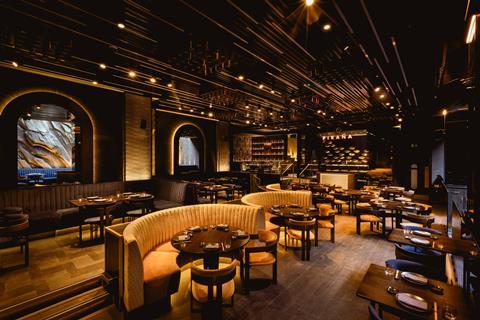
Another group has made the journey from nightlife into restaurants, and now offers a luxurious blend of the two. “We started off in nightclubs and pivoted into festive dining,” Garry Caprani, co-founder at Strongarm Hospitality Group, told MCA. “The market’s definitely changed. Clients are looking for something new and original.
“We wanted to create places where everyone can have fun. With festive dining, you don’t have to drink.”
Strongarm, a London-based group, is actively seeking global franchise deals for PIRAÑA, its experiential bar-restaurant concept. PIRAÑA Mayfair is billed as an ‘elevated dining’ concept, supporting by nightly entertainment.
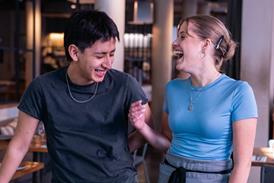
Its success, as Caprani points out, comes from a growing set of consumers looking for a more inclusive approach to night time experiences. PIRAÑA’s high net worth clientele is less exposed to the cost of living crisis, but not immune to trends towards health consciousness, moderation, and earlier day parts.
Higher tempo occasions
In CGA’s first Evolving High Tempo Occasion Report, atmosphere and quality are described as more important than ever. As consumers look to justify discretionary spend, an experiential element supplementing the F&B offer makes it easier to do so.
Party dining has no doubt been helped by the rising cost of a night out - even if many of the venues have a premium pricepoint. As Sacha Lord, chair of the Night Time Industries Association, pointed out in a recent piece for City AM: “Once you’ve factored in your ticket, booking fee, taxi there, taxi back, drinks before and after, you’re looking at the best part of a hundred and fifty quid. Which kids have that as disposable income these days?”
As binge drinking has fallen out of fashion, so has splashing out on underinvested nightclubs. Cost of living may be a concern, but there are those willing and able to spend in pursuit of an experience.
It’s worth noting these experiences serve a range of budgets. Bacchanalia is proudly exclusionary, while Strongarm Hospitality is loyal to an elite clientele. JKS Restaurants and Big Mamma offer glamour and maximalism, but at a more accessible price point.
Nevertheless, Lumina Intelligence research finds that growth in the eating and drinking out market is fuelled by affluent younger consumers, many of whom are pivoting instead towards experiential dining.
Another London-based operator – the Emerald Hospitality Group, founded by the Zandi twins – has made its name in the experiential dining space, most recently with the Southern French-inspired bar-restaurant Riviera. On a smaller scale, Chinatown’s Noodle & Beer has caught the attention of critics, not only for its Chongqing specials but for a basement speakeasy open until 4am.
Both are looking to expand, and in good company. Swedish import Punk Royale landed in Mayfair not long ago, serving an ‘immersive’ 20-course tasting menu. Much of the menu reportedly does not include cutlery, but does involve live entertainment, servers feeding diners, and caviar ‘bumps’.
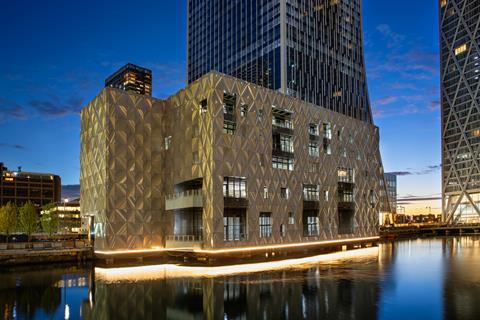
Next on the horizon is Scottish-born concept House of Gods, based on the idea of experiential but accessible travel. Billed by founder Mike Baxter as a ‘giant floating gold box’, the hotel launches in Canary Wharf next month, comprising an Amazing Grace music venue, rooftop bar and restaurant, and in-room Prosecco buttons.
Baxter’s promise of glitz, glam, and theatre will no doubt be well received. As he told MCA, it’s not “crappy hotel gyms” that guests want – it’s an experience.


![JN_250929_Brewdog_Darts_0224_-_Medium_1[1]](https://d36hgjhwuw81py.cloudfront.net/Pictures/100x67/6/2/3/381623_jn_250929_brewdog_darts_0224__medium_11_584288.jpg)